Mind · Body · Context
Change becomes easier when mind, body and context come together. We work with what you think, what you feel – and with the context in which your behaviour makes sense. The three perspectives belong together. In our work we move between them, depending on what your topic needs right now.
Mind – understanding what is going on inside you.
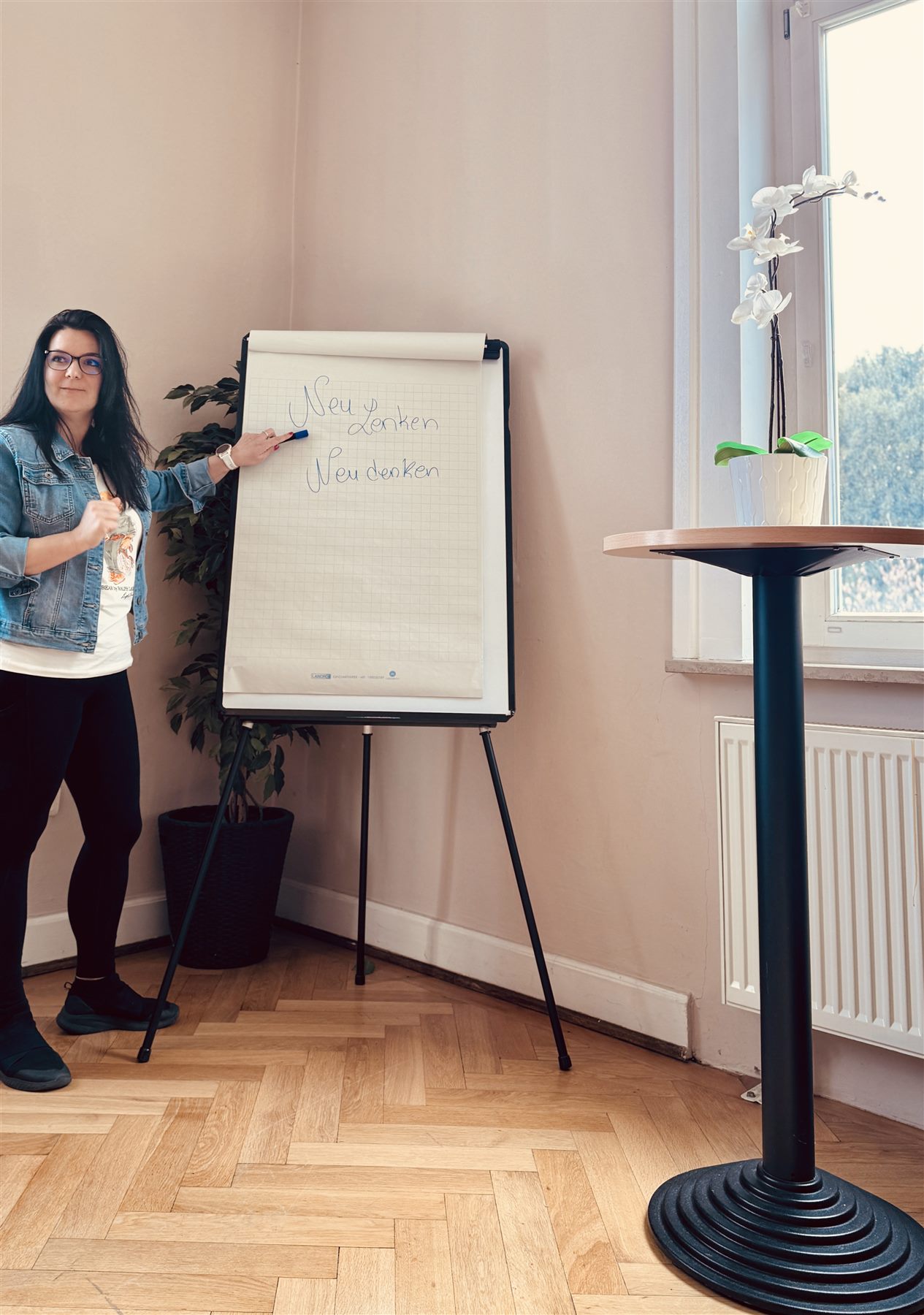
It begins in the mind: thoughts, inner images, judgements and inner dialogues become visible. So do the voices that contradict each other – and the decisions hanging in between. We look at which sentences you say to yourself, which images you hold of yourself and your situation, and how you talk about your topic. The point is not to talk your thoughts away. The point is to tell them apart: Which ones help you, which ones hold you back – and which ones aren’t even yours?
An example: You want to have a conversation with your boss and have been putting it off for weeks. In your head a dialogue is running: “I finally have to sort this out.” – “And what if she takes it the wrong way?” As long as both voices are equally loud, nothing happens. When we listen to them one at a time, it often becomes clear what the hesitant side is actually trying to protect – and the conversation gets a different beginning.
Changing beliefs: how inner sentences steer your life (in German) →
Body – sensing what words alone can’t resolve.
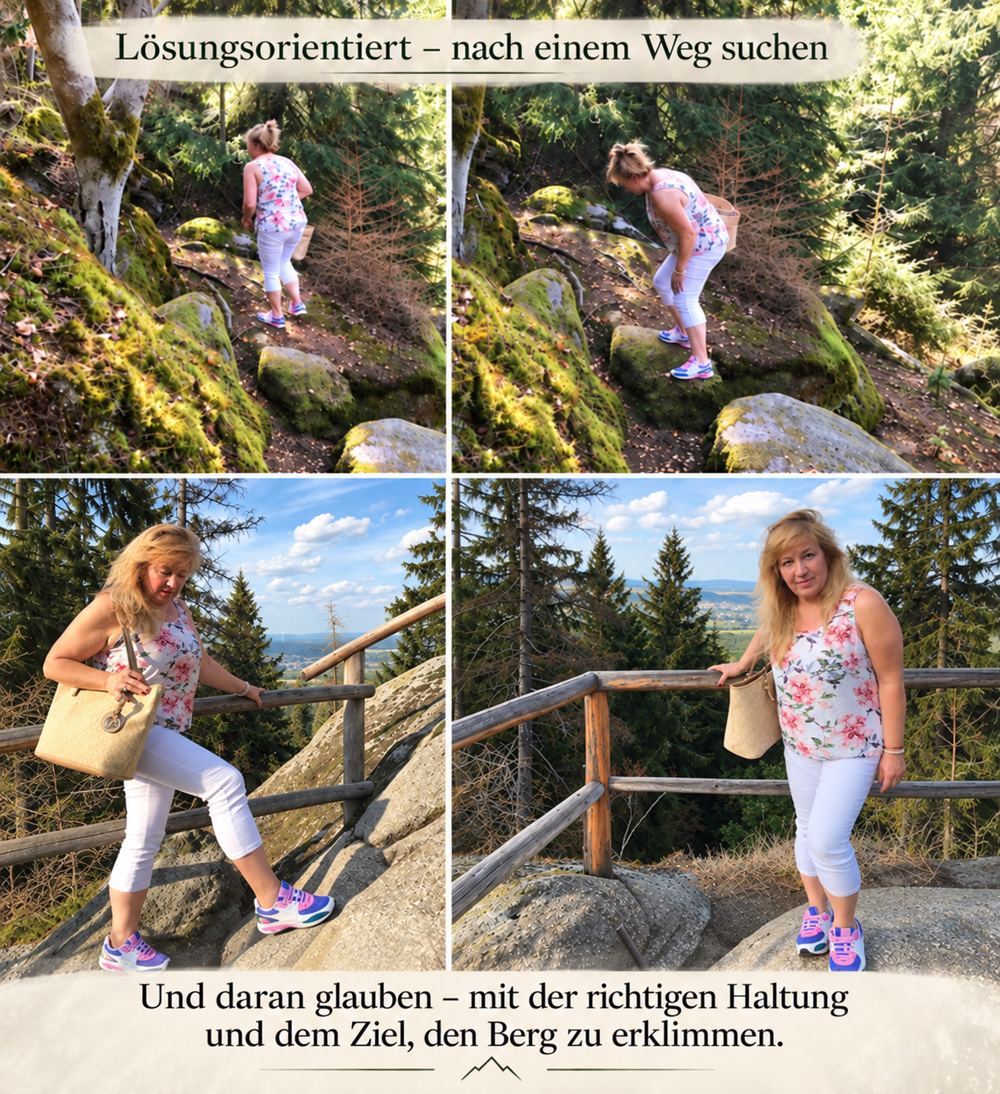
Not just talking about change, but noticing what your body feeds back to you: posture, breath, inner reactions. Walking instead of only sitting, experiencing instead of only analysing. The body often reacts faster than the mind – to a yes that feels tight, or to a no that suddenly creates room. We use this feedback to test options before you decide. That doesn’t mean I interpret your body or tell you what you feel. You notice, I ask questions – and together we try out what changes when you shift your posture, breathe more deeply or walk a few steps.
An example: You’re torn between two job offers and wrote both lists long ago. In coaching you step into each possibility in turn – literally, with one step in one direction and one step in the other. With one, your breath becomes shallower; with the other, your shoulders drop. That isn’t a decision yet. But it is a piece of information that was on neither list.
Learning self-coaching: a guide for everyday life (in German) →
Context – behaviour makes sense in its surroundings.
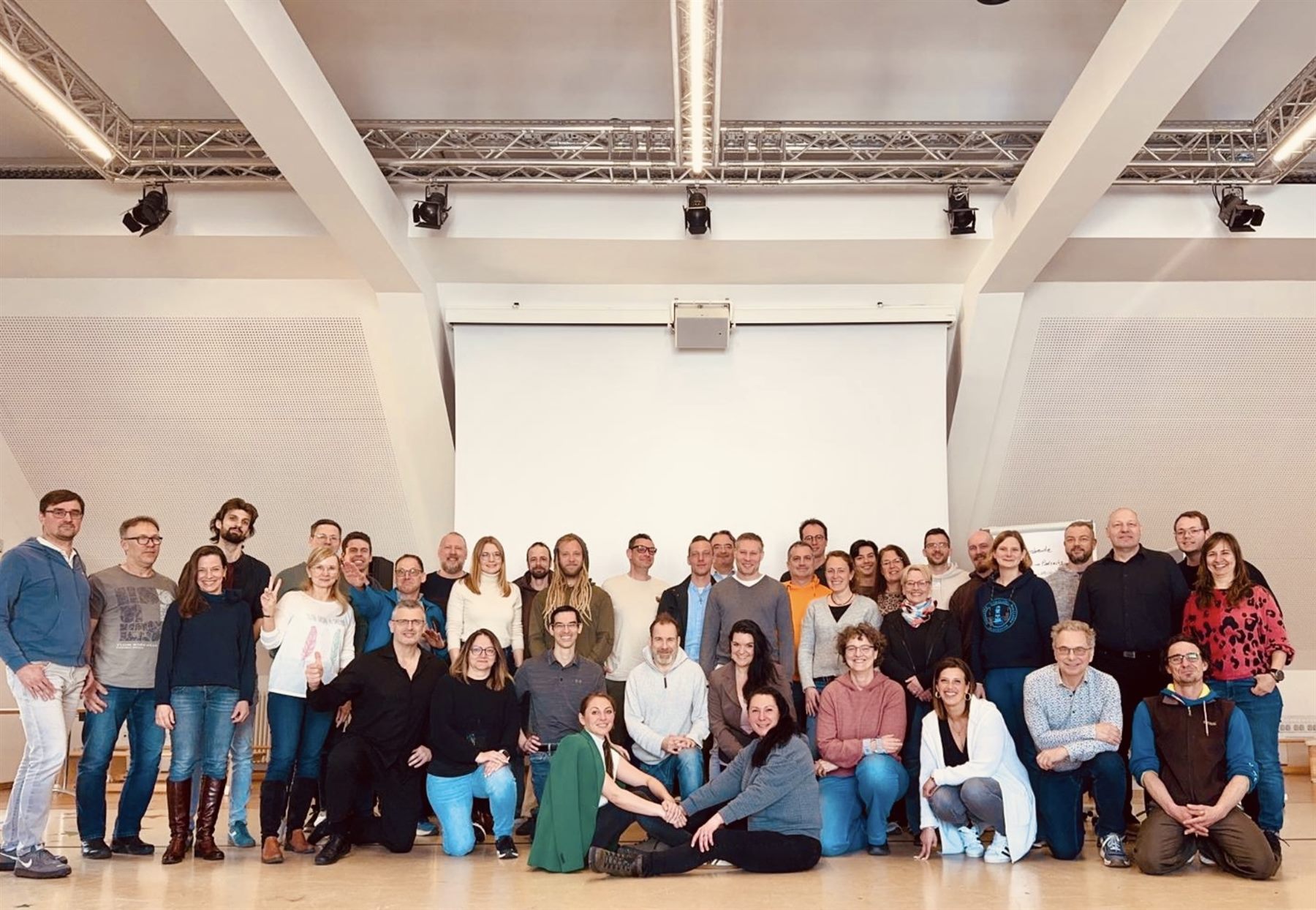
Nobody changes in a vacuum. Relationships, roles, expectations, stage of life and cultural background all play a part. What counts as “normal”, polite or right often depends on the context. Anyone who lives between cultures learns early that the same action can mean something completely different depending on the context – I know this from my own family. That’s why I’m interested not only in what you do, but in which surroundings your behaviour has made sense so far. Usually your hesitation once had a good reason there – and if the context has changed, the behaviour may change too.
An example: You rarely say anything in meetings, even though you have a clear opinion. In your family the rule was: whoever listens is polite; whoever interrupts pushes themselves forward. In your current team the opposite applies – whoever says nothing has nothing to contribute. Your behaviour isn’t wrong. It comes from a different context. Once that becomes visible, you can decide what to keep and what you want to do differently here.
Grandmother’s kitchen table – why reframing was our family’s language (in German) →
Only when these levels come together does insight become experience – and experience can turn into action.